
How Culture Undermines Your Church’s Engagement Pathway
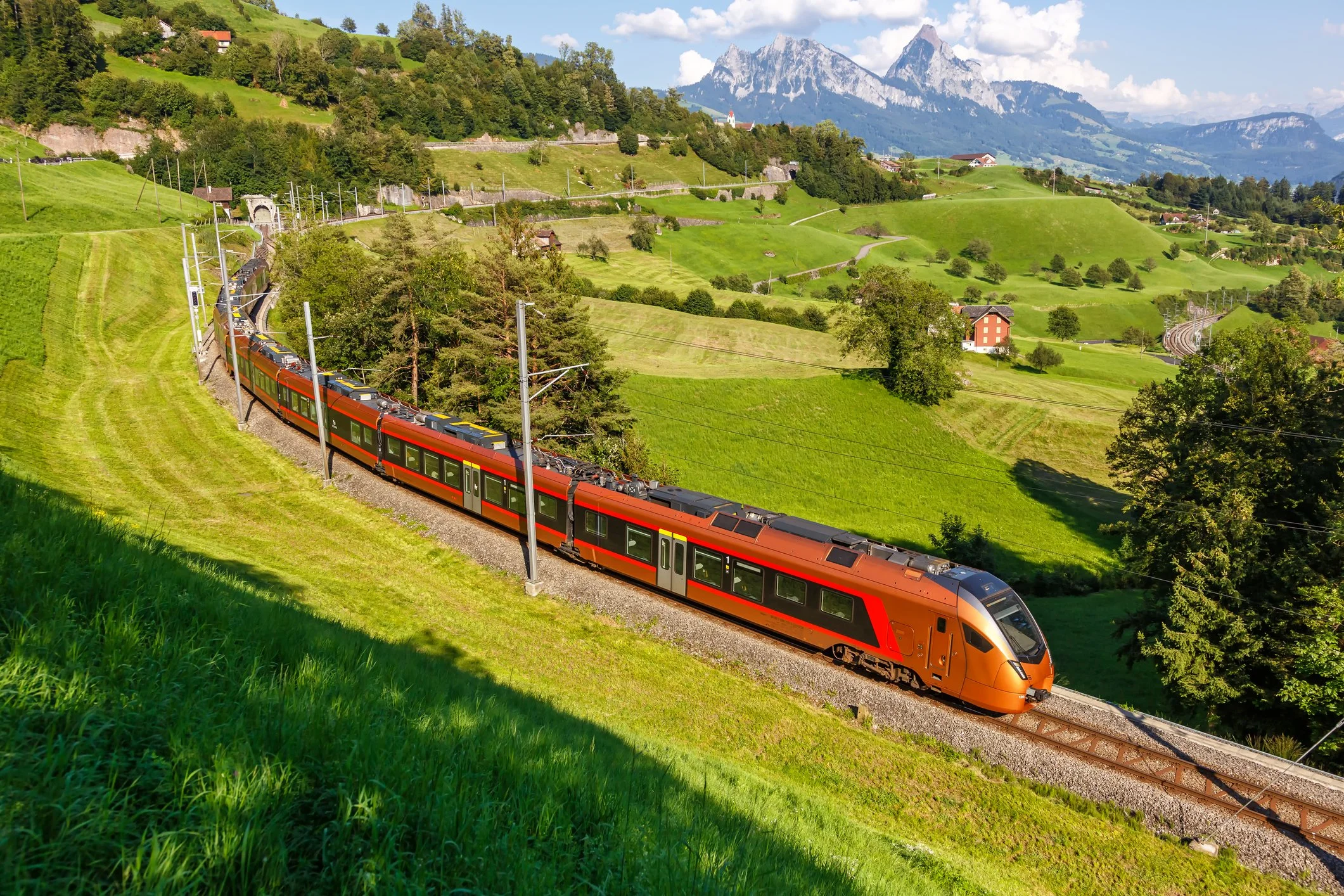
During a recent Sherpa Tribe weekly huddle, someone asked a question that stopped the whole conversation:
"What do you do when your leaders and staff fail to respond to the prompts of your engagement pathway, and don’t follow up quickly and connect well with people?"
It's a good question. Maybe it’s the question for a lot of us right now.
As we talked it through, a metaphor came to mind that ended up shaping almost 20 minutes of rich conversation.
Here’s the headline:
Your engagement pathway is the railroad track.
Your culture is the train car.
But before we get there, we have to start with why anyone would want to get on the train in the first place.
Nobody buys a ticket because they love railroads. They buy a ticket because of where the train is going.
The destination is the whole point. And in our world, everyone on the platform wants the same destination—the guest, the volunteer, the staff member, all of them:
Full connection with God and with each other.
That’s the summit and always has been. Every church would say that’s the destination.
So the destination isn’t the problem.
But how we get there is everything.
Every church has some version of a track. It’s the engagement pathway that's supposed to move guests toward connection: a first-touch follow-up, a next-step invitation, a small group on-ramp, a leadership pipeline, all pursuing the "summit" of full connection with God and community. The track determines where you're going.
But the track isn't what determines whether anyone actually gets there. The car does. Let me explain…
If the car is comfortable, if the people inside are engaging, attentive, and glad guests are there, they’ll ride wherever that train is headed.
But if the car is too hot…
if the people on board seem distant or indifferent to the person sitting next to them…
if a guest can’t even find the bathroom…
they’re getting off before the destination ever comes into view.
It doesn’t matter how well-designed your track is.
The car is your culture: the lived, human experience on the ground at your church.
And here’s what makes culture so powerful:
It’s the one thing that can turn a person against a destination they genuinely wanted to reach.
Think about what a bad train car actually does.
It doesn’t just make one ride unpleasant. That guest doesn’t want to get back on at all. They definitely don’t invite their friends.
And even if they don’t conclude, “Trains are bad,” they conclude, “This train is bad,” and they go find another railroad.
Because realistically… there are other railroads.
There’s one right down the street with a warmer car and friendlier people, and it’s headed to the same summit.
Those are the real stakes. Not just a train that stands still, but a train that people abandon (and warn their friends away from).
Culture. Always. Trumps. Systems.
Systems reveal culture, they don’t create it.
Which means non-response is a culture problem (not a systems problem).
You can build the most elegant assimilation pathway on the mountain.
You can map every touchpoint, automate every follow-up, and build a killer dashboard to track it all.
But if your staff and leaders don’t consistently, reliably respond to what that system is telling them (the report that says guests haven’t been contacted in ten days, the connect card sitting unopened, the dashboard flashing a warning about One Program attendance slipping…) then the track goes unused.
The train doesn’t move.
And here’s the part that stings the most…
Your staff can still be feeling pretty good about that car.
They can genuinely like each other.
Fun meetings. Real friendship. A room full of people glad to be on the same team. All that positive workplace stuff.
Every bit of that can be true while the follow-ups don’t happen and guests slip off the back of the train every week.
A warm, fun staff car is not the same thing as a healthy one.
Because the most important ingredient in a staff culture isn’t whether they enjoy the ride together.
It’s whether they’re committed to more people reaching the actual destination.
A team that cares deeply about the destination can’t sit comfortably while people fall off the mountain.
It bothers them, personally, that a whole weekend’s worth of guests went uncontacted for ten days. Or a guest
The staff that’s stopped being bothered hasn’t become a bad team… but it might have become a country club.
Loyal, likable, comfortable. And headed nowhere.
The system worked. It told somebody. But that somebody didn’t care enough to move.
That’s the car turning against the very destination everyone claims to want.
If you don’t respond to the system, you won’t go anywhere.
So What Do You Do About It?
If your system is “working” but your people aren’t responding to it, resist the temptation to immediately rebuild the system to make it “easier.”
Start with the culture.
Put the destination back in front of your team. Remind them that the name sitting overdue in a workflow isn’t a task—it’s a person who raised their hand and trusted your church to respond. Paint pictures of who these people are and what they’re walking in with.
Then make responsiveness visible. Talk about it in staff meetings. Celebrate the people who move quickly. Quickly ask about the people who are still waiting. Don’t let ten-day-old follow-ups become normal just because nobody is complaining about them.
And maybe most importantly, make sure more people own the ride.
A system where everyone is responsible can quickly become a system where nobody feels responsible. Every part of your pathway needs a person who knows: If somebody gets stranded here, that’s mine.
None of that requires rebuilding your track.
It requires building a staff culture that refuses to leave people standing on it.
But how do you actually know if you’re on track for the destination?
How do you know what kind of car you’re actually riding in? Because most unhealthy cultures don’t feel unhealthy from the inside.
Nobody wakes up thinking, We’ve become indifferent.
A comfortable car can feel healthy even when it’s not traveling down the tracks any longer.
So if feelings aren’t enough, what tells you the truth?
The gauges do.
In Part 2, we’ll look at why every healthy train needs a dashboard, why every healthy church needs numbers, and why the reading isn’t the enemy.
It might actually be mercy.
See you on the climb,


Sit down with your staff or leadership team and work through these three questions together. Be honest — this works best when nobody's defending anything.
When we imagine a guest riding in "our train car" right now, what's it actually like in there? Warm and worth staying for, or comfortable enough that nobody notices it isn't going anywhere?
What would it look like, this month, for one person on this team to respond immediately the next time the system sends a signal — and who's willing to go first and share in our next meeting?